Nestled in Leicestershire’s Vale of Belvoir, Sherwood Farms looks after a growing arable cropping system. The farm is constantly striving to adapt to the most modern and sustainable farming practices, with continual investment to ensure this is possible.

ARABLE CROPPING

TRANSITIONING ARABLE FARMING TECHNIQUES

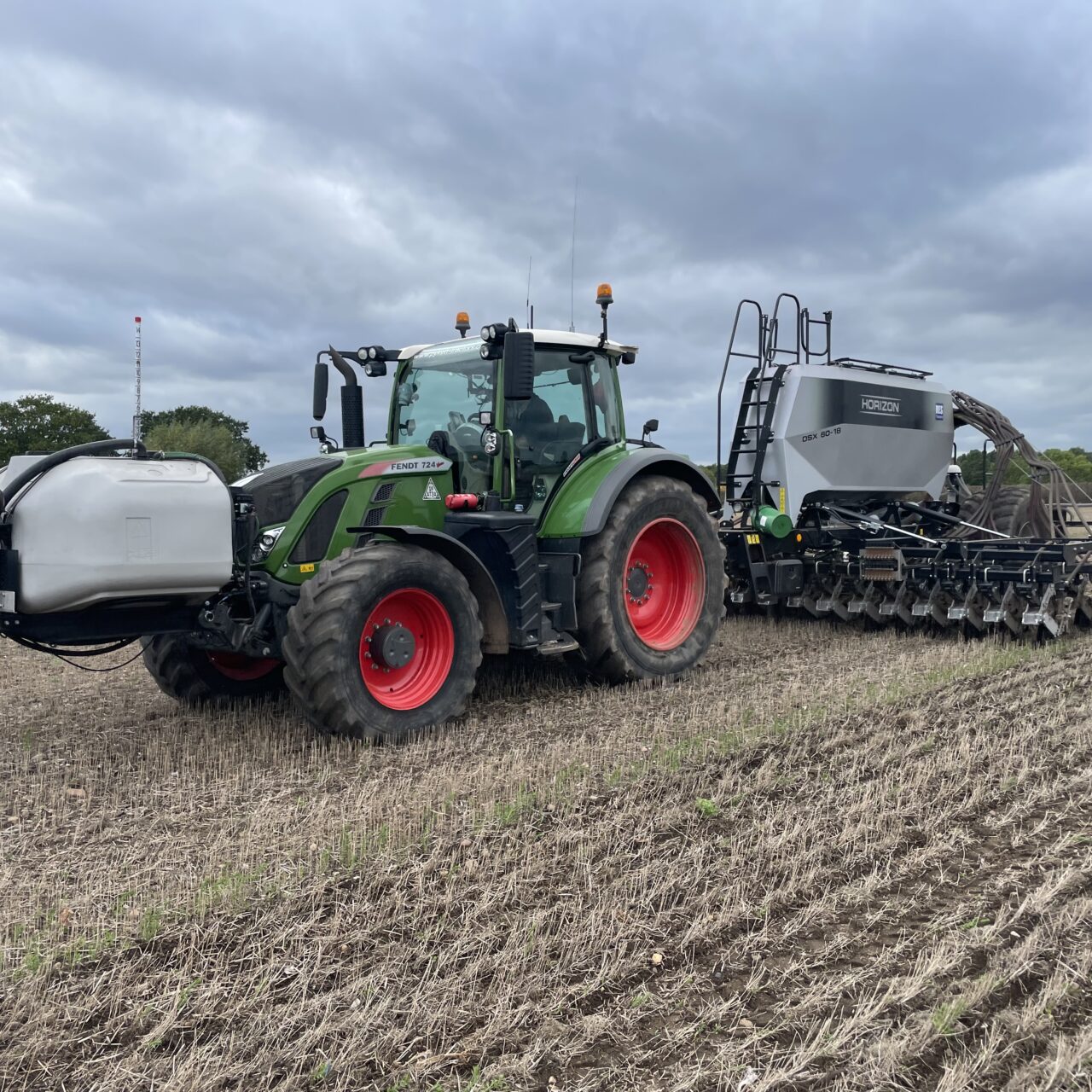
Sherwood Farms’s approach to arable farming has undergone a transformation over the years. Situated on Heavy Leicestershire clay soils, the farm traditionally operated under plough-based methods. The farm has gradually moved to more sustainable techniques, transitioning from deep disc-based system, to minimum tillage, and ultimately settling into its current practice of predominantly no-till farming. The gradual move to these techniques over the years has allowed time for the soils on the farm to adapt, meaning little to no impact has been caused to land productivity.

ARABLE CROPPING

TARGETED PESTICIDE MANAGEMENT

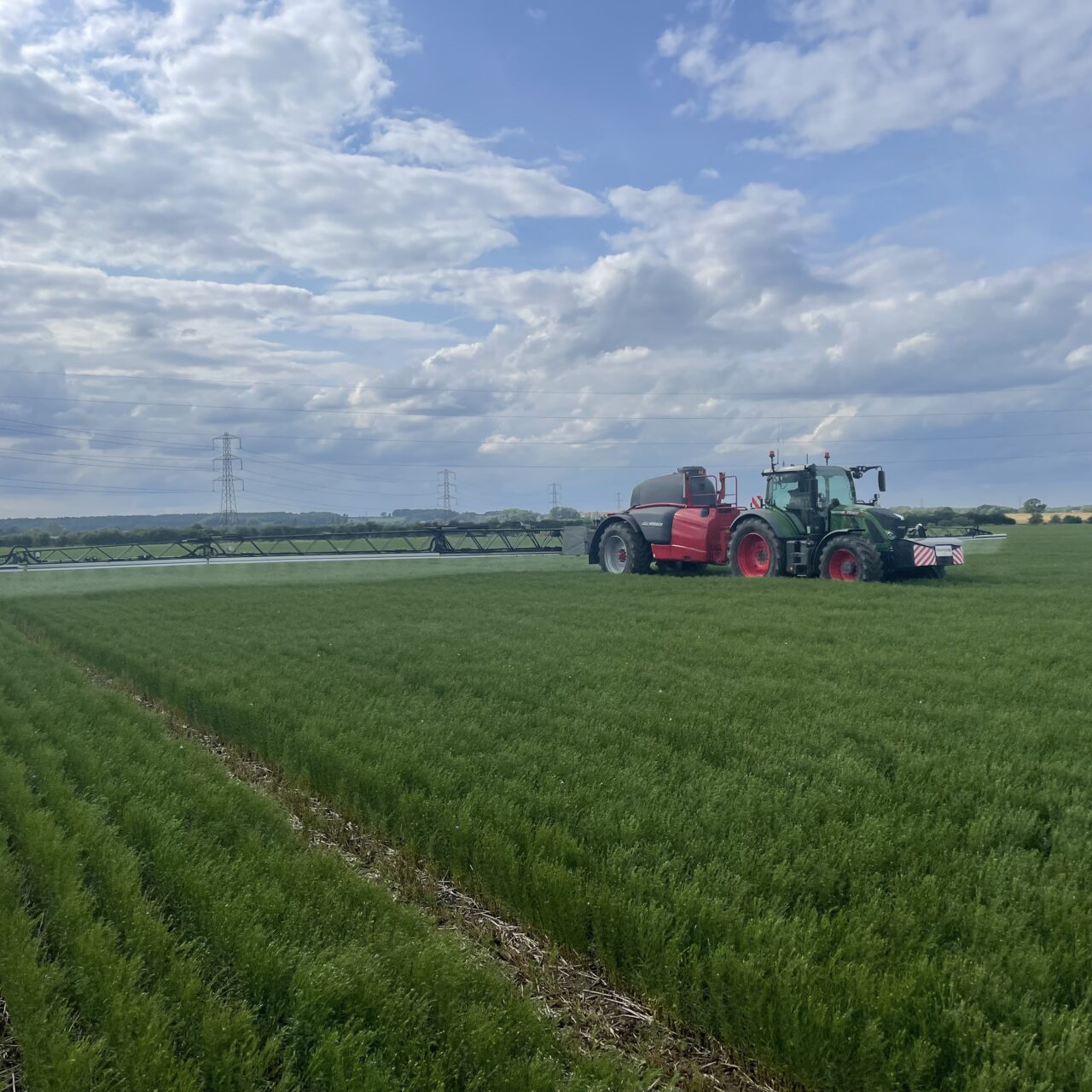
Central to Sherwood Farms’ ethos is targeted pesticide management. Rather than relying solely on conventional methods, the farm has adopted a strategy of reduced pesticide application. To make this possible without damaging yields, SAP testing prior to each spray application allows for a tailored nutrition program to match the nutritional needs of each crop. This creates a healthier crop, which is more resilient at dealing with crop disease reducing required fungicide sprays, as well as a fuller thicker crop to minimise weed competition and reduce herbicide sprays.

ARABLE CROPPING

INSECTICIDE-FREE PRACTICES

Further to reduced pesticide usage, the farm has a zero insecticide use standard. The aim behind this is not only to reduce environmental impacts, but to increase natural organisms and predators in both the soil and living within each crop.

The benefits of this are twofold:

  1. The build up of natural predators helps to fight any pests which do attack the crop.
  2. The organisms within the soil help produce a more friable “living” soil. This helps breakdown both organic applications and leftover crop residue/ stubble, which helps increases the organic matter within the soils, which in turn provides nutrition to growing crops from the soil. A further result of this is a more friable year round tilth to even heavy clay soils, which goes hand in hand with the farms move to a no-till system as in reduces the need for cultivation.
ARABLE CROPPING

ADAPTING TO CHANGING REGULATION & GOVERNMENT POLICY


The changing world around us has meant that it is more important than ever to diversify income streams. We have done that in a few different ways:

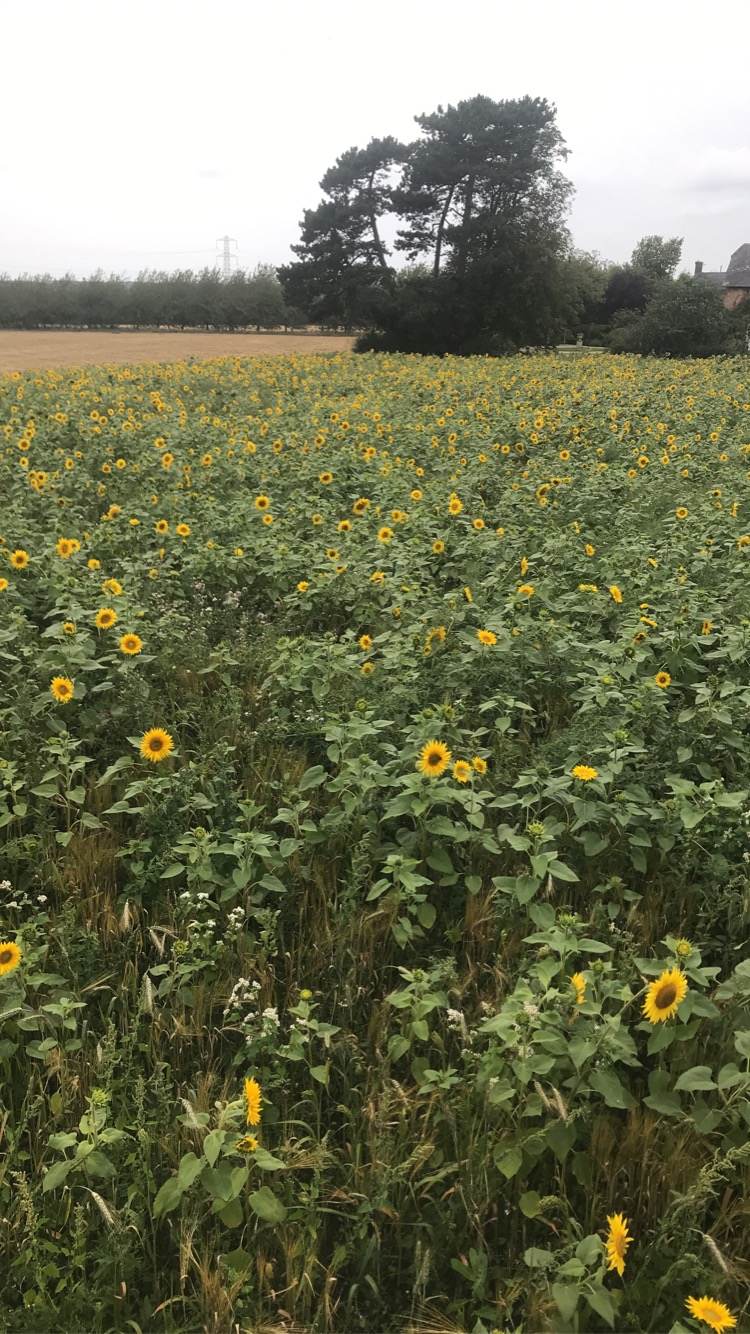
  1. The use of both SFI and Stewardship agreements, with a focus on making the most of the options available to generate an income for a lot of the practices the farm is already doing. The offers also allow us to remove unproductive areas from the main rotation and instead use them for different options within the schemes. This provides not only an environmental benefit, but also a financial benefit of assuring an income from what may not always be profitable land.
  2. Carbon also provides another potential income stream. The farm has been assessed to be significantly carbon positive, hence we have signed up to produce and sell carbon credits through a third party.

ARABLE CROPPING

Using the produce


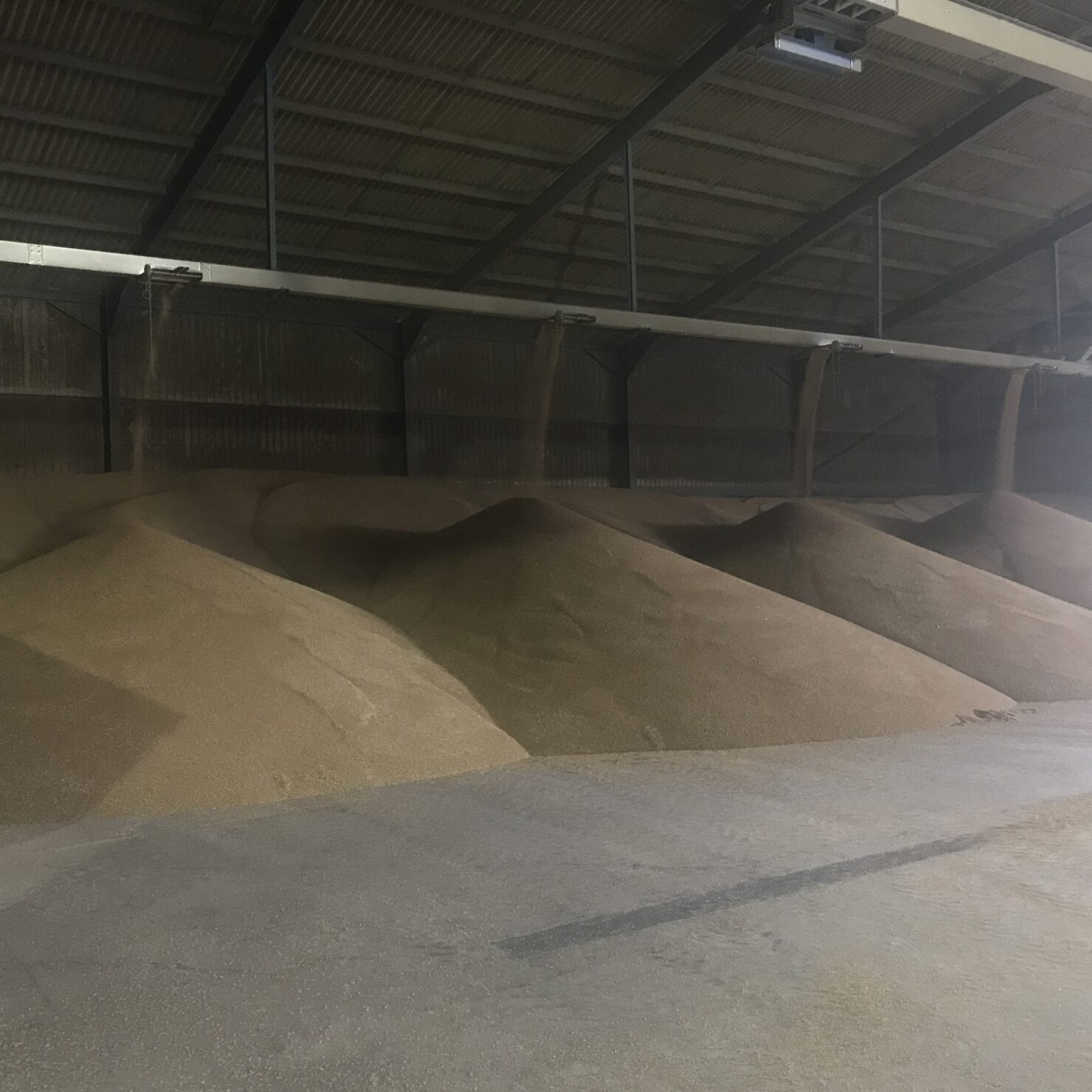
Whilst cropping is one part of our business, eggs are another. We have our own mill which gives us the capability to use most of the grain we produce to create our own feed. This means we are able to ensure only the best ingredients are used for our feed and therefore in our eggs, allowing us to guarantee the best possible quality whilst also reducing food miles.

ARABLE CROPPING

CONTINUING THE JOURNEY

As Sherwood Farms continues to evolve and grow, if you feel that we can help you or your business in any way, then please get in touch.

CONTACT US